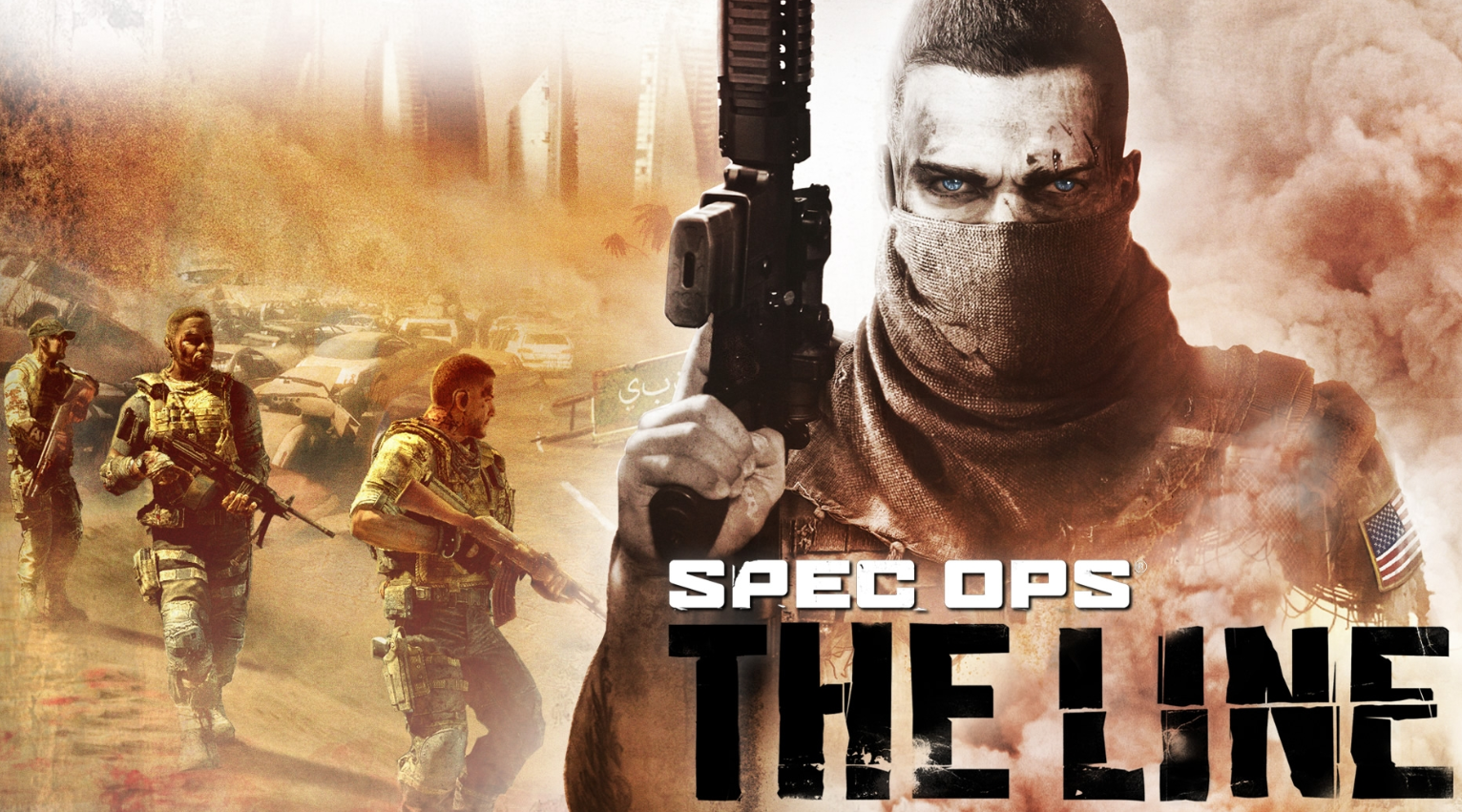

Spec Ops: The Line is not a shooter that tries to impress you with power or spectacle. From the moment you step into the sand buried ruins of Dubai, the game speaks in a quiet but heavy tone.
Developed by Yager Development and published by 2K Games, it releases in June 2012 and immediately separates itself from traditional military games. As a long time player and observer of the genre, I can tell you this experience feels different the second you take control. Every pause, every shot, and every choice carries weight.
You play as Captain Martin Walker, sent on what seems like a routine recon mission. Very quickly, that mission begins to fall apart. Dubai feels broken, swallowed by sandstorms and silence, yet it remains strangely alive. Empty streets, collapsed towers, and distant echoes make the city feel like it is watching you. You are not just moving through an environment. You are stepping deeper into a conflict that starts to question your purpose and your decisions.
What truly defines Spec Ops: The Line is how it makes you feel as the story unfolds. Combat may look familiar, but the emotional pressure builds with every encounter. This is a story driven military game that explores war psychology and moral choice rather than glory. By the time the sand settles, you realize you are not simply playing a third person tactical shooter. You are experiencing a narrative focused shooter that stays with you long after you stop playing.
Quick Info of Spec Ops: The Line Game
Below is a quick overview of Spec Ops: The Line, giving you the essential details before you step into its intense and thought provoking journey.
- Developer: Yager Development
- Publisher: 2K Games
- Release Date: June 26, 2012
- Platforms: PC, PlayStation 3, Xbox 360
- Genre: Third person shooter
- Game Mode: Single player
- Camera Perspective: Third person
- Core Theme: Psychological war narrative
Overview of Spec Ops: The Line
Spec Ops: The Line places you in a familiar third person shooter setting, but it quickly shows that it plays by very different rules. The game takes place in a devastated Dubai, buried under endless sandstorms and cut off from the outside world. As you move through broken highways, collapsed buildings, and silent streets, the city feels less like a battlefield and more like a warning. Everything around you reflects loss, isolation, and unanswered questions.
At its core, this is a story driven military game that focuses on psychological themes rather than pure action. You step into the role of Captain Walker, leading a small squad through a mission that slowly unravels. Combat feels grounded and tense, but the real pressure comes from the context behind every fight. The game constantly challenges your understanding of heroism, obedience, and responsibility, making each encounter feel heavier than it first appears.
Besides, if this game impressed you with its mechanics, Medal Of Honor: Warfighter introduces hidden secrets, new missions, and clever gameplay twists to keep every moment thrilling.
What makes Spec Ops: The Line stand out is how naturally it blends gameplay with narrative. Exploration, combat, and story all work together to shape a narrative focused shooter that never lets you disconnect emotionally. You are not just clearing areas or reaching objectives. You are uncovering the consequences of war step by step, making this experience feel personal, uncomfortable, and unforgettable for players who look beyond surface level action.
Gameplay and Mechanics of Spec Ops: The Line
Spec Ops: The Line uses familiar third person shooter systems, but it twists them to support its darker tone and psychological focus. As a game expert, I can tell you the mechanics are intentionally grounded.
Combat
Combat is cover based and squad focused. You fight alongside two AI teammates and can issue simple but effective commands such as targeting enemies or regrouping. Gunplay feels tight but restrained, avoiding exaggerated power. Enemies flank, suppress, and punish mistakes, forcing you to stay aware. This is not about feeling unstoppable. It is about surviving encounters that constantly test your judgment, reinforcing the game’s story driven military tone.
Traversal
Traversal is straightforward but purposeful. You move through linear environments that guide you deeper into ruined Dubai. Sand covered streets, collapsing structures, and narrow interiors shape how you advance. The level design subtly controls pacing, using vertical movement, chokepoints, and environmental hazards to keep tension high. Every step forward feels like a commitment rather than casual movement.
Environmental Strategy and Squad Dynamics
One of the most memorable mechanics is the use of sand as a tactical tool. You can shoot glass, weaken structures, or trigger sand avalanches to disrupt enemies. These moments feel natural and impactful, not gimmicky. Combined with squad positioning and limited resources, fights reward awareness and planning. Success comes from reading the environment and adapting, not rushing in, which perfectly supports the narrative focused shooter experience.
Core Features & Powers of Spec Ops: The Line
Spec Ops: The Line does not rely on flashy abilities or superhero style powers. Its strength comes from grounded systems that serve the story and emotional weight of war.
1) Squad Based Command System
You lead a three man squad, and your teammates are not just background support. You give direct commands to focus fire, regroup, or advance. These commands feel simple but powerful, especially during chaotic fights. As an expert player, you quickly realize that smart squad positioning often matters more than raw shooting skill. This squad based combat mechanic reinforces teamwork and responsibility throughout the campaign.
2) Cover Focused Combat Design
Combat revolves around cover and positioning. You move between barricades, walls, and debris while managing enemy pressure. Enemies flank, suppress, and force you out of safe spots, keeping every encounter tense. This third person tactical shooter design avoids power fantasy and instead builds pressure through limited safety and constant threat.
3) Environmental Interaction with Sand
Sand is more than visual detail. It becomes a strategic tool during combat. You collapse structures, trigger sand flows, and remove enemy cover by interacting with the environment. These moments feel organic and impactful, turning the battlefield itself into a weapon. This sandstorm combat mechanic adds depth without breaking immersion.
4) Weapon Variety with Real Weight
Weapons feel grounded and deliberate. Each gun behaves differently, with recoil, reload speed, and damage encouraging careful use. Ammo is not infinite, so switching weapons and managing resources becomes part of the strategy. This realistic war portrayal keeps firefights intense and prevents careless play.
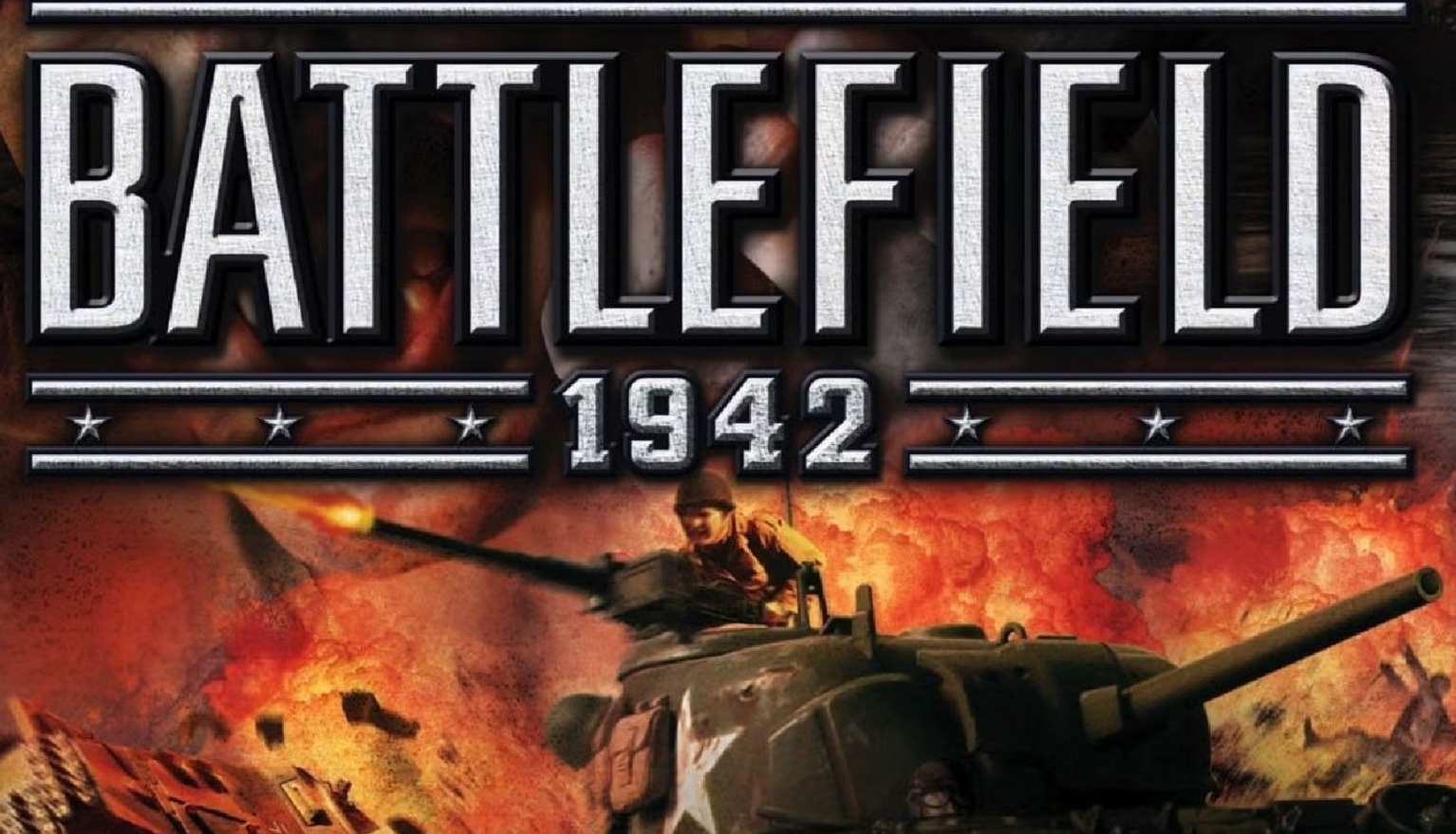
Moreover, fans of Spec Ops: The Line looking for more adventure will enjoy Battlefield 1942, packed with puzzles, hidden secrets, and unexpected twists throughout the gameplay.
5) Psychological Pressure Through Gameplay
One of the most powerful features is how gameplay delivers emotional weight. Combat situations often feel uncomfortable rather than exciting. The game intentionally removes the feeling of heroism, replacing it with doubt and consequence. This moral choice driven design makes Spec Ops: The Line a narrative focused shooter that challenges the player, not just their reflexes.
Visuals & Audio of Spec Ops: The Line
The visual and audio design of Spec Ops: The Line plays a massive role in shaping its emotional impact. Instead of chasing pure realism or spectacle, the game uses atmosphere to tell its story.
Graphics and Environmental Design
Dubai is presented as a city slowly being erased by sand. Skyscrapers lean under pressure, highways disappear beneath dunes, and interiors feel dark and suffocating. The use of color shifts as the story progresses, moving from warm tones to harsher and more unsettling visuals. As an experienced player, you can feel how the environment reflects the mental state of the characters. This visual storytelling makes the world feel oppressive and unforgettable.
Sound Design and Music
Sound design carries just as much weight as the visuals. Gunfire echoes sharply through empty spaces, explosions feel distant yet overwhelming, and silence is often used to build tension. Ambient sounds like wind, collapsing debris, and faint radio chatter create constant unease. The soundtrack adapts to combat and quiet moments, guiding emotions without overpowering the experience. Together, visuals and audio transform this story driven military game into an intense and deeply immersive experience that stays with you long after the screen goes dark.
Beginner Tips & Tricks
Getting started in Spec Ops: The Line may feel familiar, but the right approach helps you survive longer and understand the weight behind every encounter. Here are some practical tips to guide you through the battlefield.
- Take Cover Seriously: Always move from cover to cover and avoid open spaces. Enemies flank aggressively, and smart positioning keeps you alive during intense firefights.
- Use Squad Commands Often: Your squad is a major part of combat, not just support. Ordering teammates to focus fire or reposition helps control difficult encounters.
- Watch the Environment Closely: Sand is more than visual detail in this game. Collapsing structures and shifting terrain can remove enemy cover and change the flow of combat.
- Manage Ammo and Weapons: Ammo is limited, so avoid unnecessary reloading. Switching weapons at the right moment helps you stay effective in longer battles.
- Slow Down and Absorb the Story: This is a narrative focused shooter, not a race. Taking time between fights strengthens the emotional and psychological impact of the experience.
User Feedback & Reviews
Players and critics alike praise the game for:
- Powerful Storytelling: The narrative challenges traditional war game expectations and delivers an emotionally heavy experience that stays with players long after completion.
- Psychological Depth: Many players appreciate how the game explores war psychology and moral choice rather than glorifying combat.
- Grounded Combat Design: The third person tactical shooter mechanics feel tense and purposeful, rewarding thoughtful play over reckless action.
- Strong Atmosphere: The ruined Dubai setting, sandstorm combat mechanics, and audio design work together to create constant unease and immersion.
- Memorable Impact: Players often describe the game as thought provoking and unforgettable, especially for those seeking more than surface level action.
Criticisms
- Gameplay Familiarity: Some players feel the core shooting mechanics are conventional compared to other shooters of its time.
- Emotional Intensity: The heavy themes and dark tone may not appeal to players looking for light or casual action.
System Requirements & Platform Differences
The following are the system requirements of Spec Ops: The Line for different platforms. This helps you understand how the game performs depending on where you play.
PC
- OS: Windows 7, Windows 8, Windows 10
- Processor: Intel Core i5 or AMD equivalent
- RAM: 6GB
- Graphics: NVIDIA GTX 560 or AMD equivalent
- Storage: 25GB available space
Console
- PlayStation 3: Stable performance with full story and features
- Xbox 360: Smooth gameplay with consistent visuals and audio
- PC Advantages: Adjustable graphics settings, higher frame rates on capable systems, smoother performance
FAQs about Spec Ops: The Line Game
Below are some of the most searched and commonly asked questions about Spec Ops: The Line, especially popular on Bing search results.
Q: Is Spec Ops: The Line worth playing in 2026?
Yes, the game is still worth playing today because of its powerful storytelling and psychological depth. Its narrative focused shooter design feels unique even years after release.
Q: How long is Spec Ops: The Line?
The main story takes around 6 to 8 hours to complete. Taking your time with exploration and story moments can slightly extend the experience.
Q: Is Spec Ops: The Line an open world game?
No, Spec Ops: The Line is not open world. It follows a linear structure that supports its story driven military experience and emotional pacing.
Q: Does Spec Ops: The Line have multiple endings?
Yes, the game features multiple endings based on player choices and actions. These endings strongly reinforce the theme of moral choice and consequence.
Q: Can Spec Ops: The Line run on low end PCs?
Yes, the game runs smoothly on low end and older PCs due to its modest system requirements. Lowering graphics settings helps achieve stable performance.
Q: Why is Spec Ops: The Line considered a psychological game?
The game focuses heavily on war psychology rather than power fantasy. It challenges player expectations and questions heroism, making it emotionally impactful and thought provoking.
Spec Ops: The Line stands as more than a typical third person shooter. It uses familiar mechanics to pull you in, then slowly challenges how you think about war, heroism, and choice. Every firefight, every command, and every step through the sand buried ruins of Dubai adds emotional weight. As an expert player, I see this game as a rare experience that values meaning and consequence over spectacle, making it unforgettable for those willing to engage with its deeper themes.
By the time the story reaches its end, you are not just finishing a campaign, you are reflecting on the journey. Spec Ops: The Line stays with you because it asks difficult questions and refuses easy answers. It is a narrative focused shooter that rewards thoughtful players and leaves a lasting impression long after the screen fades to black.