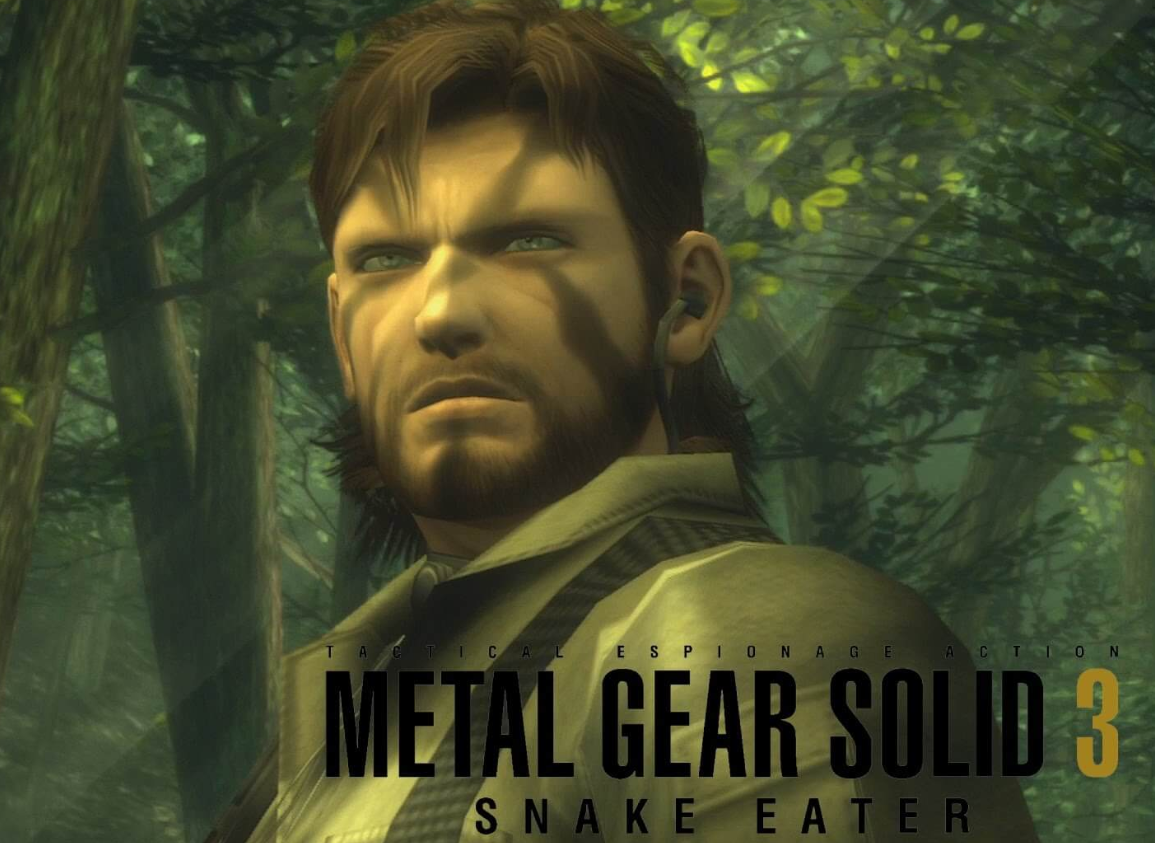

Metal Gear Solid 3: Snake Eater game puts players in the heart of the Cold War, where strategy, patience, and cunning decide the success of every mission. From the very first step, you feel like you are Naked Snake, moving silently through dense jungles and hostile territory. This game is a legendary stealth action game developed by Konami and published by Konami, released on November 17, 2004.
In this game, stealth is more than a tactic it is a way of life. You use camouflage, manage stamina, and handle injuries carefully to survive. Each mission challenges your thinking and rewards clever moves over brute force. The jungle setting and Cold War espionage backdrop make every moment tense and memorable.
Whether you are a returning fan or new to the series, Metal Gear Solid 3: Snake Eater offers an experience that combines stealth gameplay mechanics, survival systems, and cinematic storytelling. By the end of the game, you will understand why it is still considered a masterpiece in the Metal Gear series.
Quick Info of Metal Gear Solid 3: Snake Eater Game
Here is a quick glance at everything you need to know about Metal Gear Solid 3: Snake Eater before you jump into the jungle.
- Game Name: Metal Gear Solid 3: Snake Eater
- Developer: Konami
- Publisher: Konami
- Release Date: November 17, 2004
- Genre: Stealth Action Adventure
- Platforms: PlayStation 2, PlayStation 3, PlayStation Vita, PC (Remastered Versions)
- Play Style: Stealth system, Survival mechanics, Tactical combat
Overview of Metal Gear Solid 3: Snake Eater
Metal Gear Solid 3: Snake Eater places you in the shoes of Naked Snake, a skilled operative on high-risk missions behind enemy lines. The game blends stealth system mechanics with survival gameplay, forcing you to adapt to the environment and enemy behavior. You must manage stamina, heal injuries, and stay hidden to succeed.
The camouflage index and jungle tactics are central to gameplay. You experiment with different outfits and natural surroundings to avoid enemy patrols while completing objectives. Close quarters combat and resource management add layers of strategy that keep every mission engaging.
Furthermore, if this game captivated you, Metal Gear Solid 4: Guns Of The Patriots offers engaging gameplay, clever new twists, and several surprises to keep every session entertaining.
Storytelling is another highlight. Set during the Cold War, Metal Gear Solid 3: Snake Eater delivers a gripping espionage plot with memorable characters and cinematic cutscenes. From sneaking past guards to tackling challenging boss battles, the game balances action and strategy beautifully.
Gameplay and Mechanics of Metal Gear Solid 3: Snake Eater
Metal Gear Solid 3: Snake Eater delivers a tense stealth adventure set in the thick jungles of the Cold War. Every decision matters as you navigate enemy patrols, manage stamina, and adapt to the environment.
Combat
Combat is a mix of close quarters CQC, firearms, and tactical stealth. Each encounter encourages experimentation with sneaking, distractions, and timing your strikes. Using CQC to silently neutralize enemies feels like directing your own espionage action scene.
Stealth and Strategy
The stealth system makes every move deliberate. Using the camouflage index, you blend into your surroundings, plan ambushes, and avoid enemy detection. Observing patrol patterns and exploiting environmental opportunities rewards patient and clever play over brute force.
Survival Mechanics
Survival adds depth to gameplay. You monitor stamina, heal injuries, and hunt for resources. Every step in the jungle feels grounded, and understanding the environment enhances immersion. Balancing health, stamina, and injury treatment turns missions into tense strategic challenges rather than simple fights.
Features of Metal Gear Solid 3: Snake Eater
The game is more than sneaking past guards. Its features combine survival, stealth, and storytelling to create a deeply engaging espionage experience.
1) Camouflage and Stealth
The camouflage index lets you adapt to terrain, foliage, and enemy vision. You can experiment with different outfits to stay hidden, plan ambushes, or avoid combat entirely. Mastering stealth transforms ordinary missions into tactical puzzles that feel satisfying and rewarding.
Similarly, players who enjoyed Metal Gear Solid 3: Snake Eater will love Metal Gear Solid 2: Sons Of Liberty for its action, exploration, and fresh content that keeps every session exciting.
2) Close Quarters Combat CQC
CQC allows you to engage enemies silently or control situations in tight spaces. Grappling, throws, and chokeholds make encounters cinematic and strategic. Combining CQC with stealth or firearms provides multiple approaches to each mission.
3) Survival Mechanics and Resource Management
Managing stamina, injuries, and supplies adds tension. Hunting for food, applying bandages, and using environmental resources are essential. These systems push players to think ahead and make every move matter.
4) Jungle Tactics and Environment Interaction
The jungle is alive with opportunities. You can use water, trees, and terrain to your advantage, distract enemies, or plan clever routes. Environmental awareness rewards creativity and keeps gameplay dynamic.
5) Story-Driven Missions
Every mission advances a gripping Cold War espionage narrative. Characters, plot twists, and cinematic cutscenes make the story compelling. The narrative complements gameplay, keeping players invested in both strategy and story progression.
6) Boss Battles and Tactical Challenges
Boss fights combine strategy, stealth, and timing. Each encounter feels like a set-piece requiring observation, planning, and adaptability. These battles provide memorable highs and break up standard mission patterns with cinematic flair.
Visuals and Audio of Metal Gear Solid 3: Snake Eater
The visuals and sound work together to pull players deep into the Cold War setting. From dense jungle foliage to tense ambient sounds, the game creates a reactive and immersive world.
Graphics
The jungle environment comes alive with detailed textures, dynamic lighting, and weather effects. Sunlight filtering through trees, rustling leaves, and realistic character animations make every step feel grounded. Enemy reactions and movement respond to your actions, enhancing immersion.
Sound Design
The audio guides both stealth and combat. Ambient jungle sounds, distant gunfire, and enemy chatter create tension. Adaptive music intensifies during encounters and softens during exploration, giving every move emotional weight. Directional audio cues enemy positions, making stealth intuitive and rewarding.
Beginner Tips & Tricks
Starting your journey in Metal Gear Solid 3: Snake Eater can feel challenging and tactical, but with the right approach, you’ll get the most out of stealth, combat, and survival gameplay. Here are some useful tips:
- Master Camouflage Early: Using the camouflage index effectively keeps you hidden from enemies. Switching outfits and blending into the environment reduces detection and makes missions smoother.
- Learn CQC Combat: Close quarters combat allows you to neutralize enemies silently. Combining grabs, throws, and chokeholds with stealth gives you control over any situation.
- Manage Stamina and Injuries: Keep an eye on Snake’s stamina and heal injuries promptly. Hunting for food and applying bandages ensures survival during long missions.
- Observe Enemy Patrols: Each enemy type has unique patterns. Watching their movement helps you plan ambushes, avoid detection, and tackle objectives efficiently.
- Use Environmental Tactics: The jungle and terrain offer multiple ways to approach a mission. Water, foliage, and high ground create opportunities for clever strategies and safer movement.
User Feedback & Reviews
Players and critics praise Metal Gear Solid 3: Snake Eater for:
Praised For
- Immersive Storytelling: The Cold War espionage plot and cinematic cutscenes keep players engaged from start to finish.
- Strategic Stealth Gameplay: Camouflage, enemy AI, and CQC combat allow multiple approaches to every mission.
- Survival Mechanics: Stamina, injury management, and resource use make the jungle missions feel tense and rewarding.
- Boss Battles: Tactical challenges during key encounters create memorable, cinematic moments.
- Visuals and Audio: Detailed jungle environments, adaptive music, and realistic sound design heighten immersion.
Criticisms
- Fixed camera angles can make navigation and combat feel awkward at times.
- The original control scheme feels dated compared to modern action games.
- Survival mechanics (injuries, food management) may feel tedious to some players.
System Requirements & Platform Differences
Here’s a breakdown of the system requirements for playing Metal Gear Solid 3: Snake Eater across different platforms:
PC
- OS: Windows 10 / 11
- Processor: Intel Core i5-9400 / AMD Ryzen 5 2600
- RAM: 8GB
- Graphics: NVIDIA GTX 970 / AMD RX 570
- Storage: 20GB SSD recommended
Console
- PS5: Enhanced lighting, smoother 60fps gameplay, faster load times
- PS4: Stable performance at standard settings
FAQs about Metal Gear Solid 3: Snake Eater Game
Here are some common questions players search for about Metal Gear Solid 3: Snake Eater. These answers help you understand the game faster and feel confident before playing.
Q: What makes Metal Gear Solid 3 unique in the series?
Metal Gear Solid 3 stands out because it blends deep stealth system play with survival mechanics in a jungle setting.
Q: How does the camouflage system affect gameplay?
The camouflage index impacts how visible Snake is to enemies. Matching outfits to terrain and staying still in foliage lowers detection. Using it well means fewer confrontations and more tactical choices.
Q: Is Metal Gear Solid 3 hard for new players?
The game has a learning curve, especially around stealth and survival mechanics. Spending time observing enemy patrols, using CQC, and managing stamina helps you improve quickly.
Q: What are key strategies for boss fights?
Boss battles require observation and adaptability. Learning attack patterns, exploiting weaknesses, and managing health and stamina during fights turns tough encounters into tactical wins.
Q: How long does a typical playthrough take?
A single playthrough usually takes around 15 to 20 hours depending on how much time you spend exploring, mastering stealth, and completing optional side missions.
Metal Gear Solid 3: Snake Eater remains a landmark in stealth action gaming, combining strategic gameplay, survival mechanics, and a gripping Cold War story. Every mission challenges your thinking and rewards clever planning, from mastering camouflage and CQC to navigating jungle environments. Whether you focus on stealth or tactical combat, the game keeps you engaged and invested in Snake’s journey.
Its cinematic storytelling, detailed environments, and adaptive sound make every encounter feel alive. For both returning fans and new players, Metal Gear Solid 3: Snake Eater delivers an unforgettable experience where strategy, patience, and skill always pay off. It continues to set the standard for tactical action adventures even years after its release.