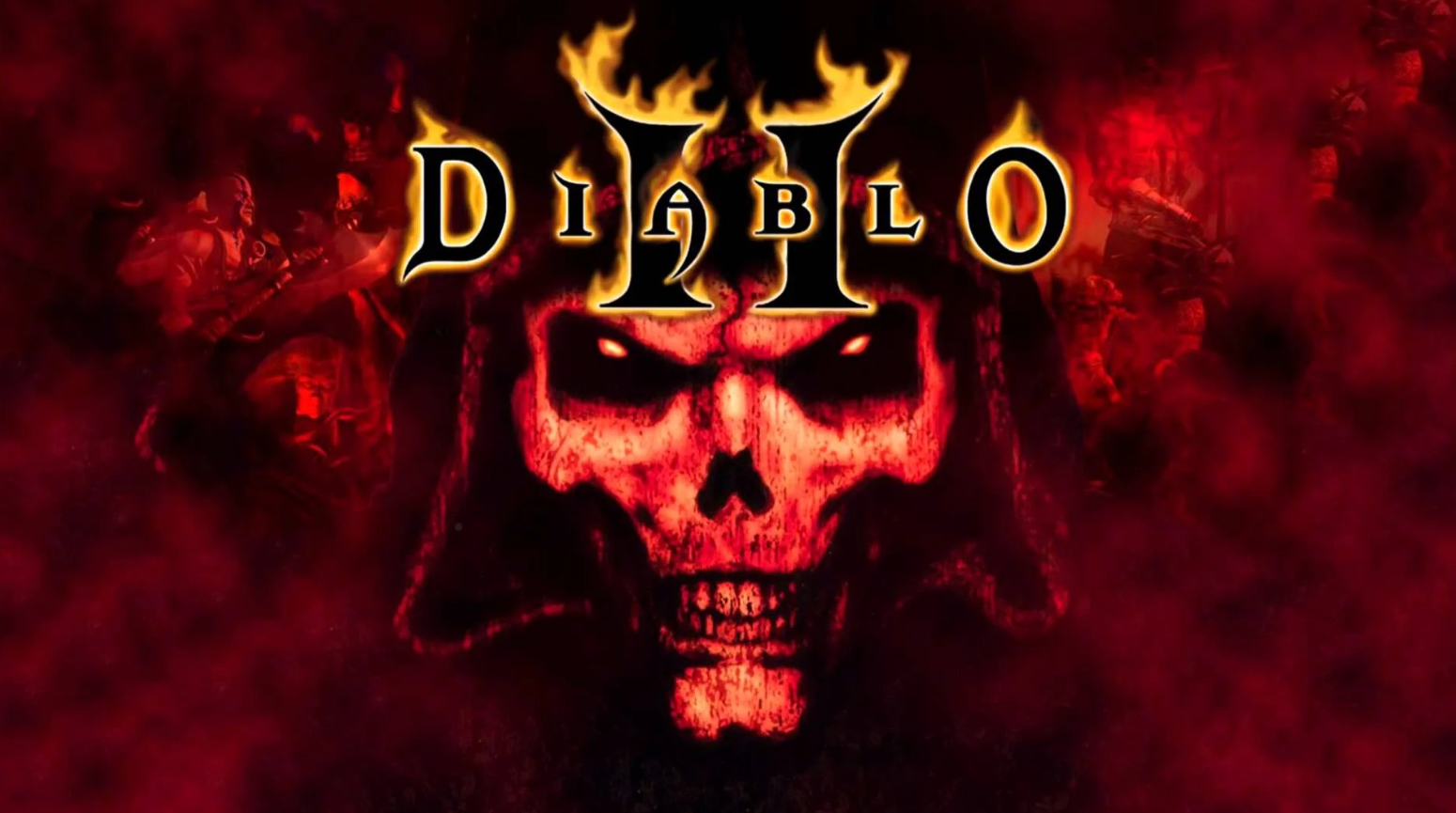

Diablo 2 is developed and published by Blizzard Entertainment, releases on June 29, 2000. This classic action role-playing game drops you into the dark and dangerous world of Sanctuary. From the first step, it tests your skills, strategy, and courage as you face demons and powerful bosses.
Playing Diablo II feels like stepping into a living, breathing universe. You choose from diverse character classes, each with unique abilities, and explore vast environments filled with secrets, treasures, and challenges. Every fight and decision shapes your journey, giving you control and excitement from start to finish.
The game combines fast-paced combat, deep character progression, and a loot-driven experience that keeps players engaged. Whether you are new to Diablo 2 or revisiting it, the dark dungeons, epic boss battles, and strategic gameplay create a thrilling adventure that never feels repetitive.
Quick Info of Diablo 2 Game
Here’s a clear snapshot of Diablo 2 so you know exactly what you are stepping into before starting your adventure.
- Developer: Blizzard North
- Publisher: Blizzard Entertainment
- Release Date: June 29, 2000
- Platforms: PC, Mac
- Genre: Action Role-Playing Game, Hack and Slash
- Mode: Single Player, Multiplayer
- Perspective: Isometric Top-Down
Overview of Diablo 2
Diablo 2 sets you on a quest to defeat the Prime Evils threatening Sanctuary. Each act offers different landscapes, enemies, and challenges, from desolate deserts to haunted forests. The world feels alive, with hidden areas and random events keeping exploration exciting.
Combat in Diablo II is tactical and satisfying. You mix melee, ranged, and magical attacks, experimenting with skills and abilities to defeat enemies. Every encounter tests your strategy, timing, and understanding of your character’s strengths.
The game also shines in character progression and loot mechanics. Your choices in skills, equipment, and stats directly impact how you handle challenges. Every treasure chest, quest, and monster drop matters, making exploration rewarding and gameplay addictive.
Gameplay and Mechanics of Diablo 2
Diablo 2 delivers an action role-playing adventure that blends fast-paced combat, deep character progression, and a loot-driven world. Every dungeon, forest, and desert you explore feels alive with monsters, hidden treasures, and challenges that reward strategy and timing.
Combat
Fighting in Diablo II combines melee, ranged, and magical attacks depending on your chosen character class. Skills and spells chain together for powerful combos, and knowing enemy weaknesses is crucial for survival. Each encounter rewards timing, preparation, and clever use of equipment.
Similarly, the action in this game is unforgettable, and Diablo 3 continues that momentum with new features, intense battles, and plenty of thrilling gameplay moments.
Traversal
Exploration isn’t just moving through the world. Timing, positioning, and understanding terrain affect how you engage enemies or find hidden areas. From haunted forests to fiery hellscapes, the environments feel dangerous and immersive, encouraging curiosity and careful planning.
Dynamic Encounters and Strategy
Monsters, bosses, and random events populate every region, giving you multiple ways to tackle challenges. You can face enemies head-on, lure them into traps, or use ranged and magic abilities for safer strategies. Every decision shapes your progress, keeping gameplay flexible and rewarding.
Core Features & Powers of Diablo 2
Diablo 2 is all about creating a hero and mastering skills, powers, and strategies that make combat, exploration, and progression satisfying. Here are the main features that define the game.
1) Character Classes and Skills
Choosing a class defines your playstyle. Each class has unique skills and abilities, from melee power of the Barbarian to spell mastery of the Sorceress. Investing skill points strategically lets you build specialized characters and experiment with different combos and strategies.
2) Loot and Equipment System
Finding weapons, armor, and magical items is central to Diablo II. Every chest, monster, or quest can reward powerful gear. Equipment affects stats, abilities, and combat tactics, making inventory management and loot optimization exciting and meaningful.
3) Deep Skill Trees
Every class has a skill tree that allows players to customize abilities. Deciding which skills to unlock changes combat style and strategy. Skill trees encourage planning and experimentation, letting you create a hero tailored to your preferred approach.
More, if Diablo 2 captured your attention, Diablo 4 introduces new characters, fresh environments, and more strategic gameplay for longer, more engaging sessions.
4) Multiplayer and Trading
Diablo II supports cooperative and competitive multiplayer. Teaming up lets you tackle harder dungeons and share strategies. Trading items with other players adds depth and encourages strategic decisions about gear and builds.
5) Randomized Dungeons and Replayability
Maps, enemy placement, and loot drops change each time you play. This procedural generation ensures every run feels different, creating high replay value and rewarding exploration, experimentation, and mastery.
Visuals & Audio of Diablo 2
Diablo 2 creates a dark, immersive world that looks and sounds alive, enhancing every encounter and dungeon crawl.
Graphics
The game features detailed environments, dynamic lighting, and atmospheric effects. From dimly lit crypts to fiery hellscapes, each area feels distinct and threatening. Monster animations respond fluidly to attacks, making combat feel tactical and intense.
Sound Design
Audio guides gameplay and heightens immersion. Enemy growls, environmental effects, and spell sounds provide cues for strategy. The dark and eerie soundtrack shifts with intensity, building tension during combat and calm during exploration.
Cinematic Effects
Spell effects, critical hits, and boss encounters feature dramatic visuals and animations. These effects highlight the power of your abilities, making every fight feel epic and rewarding. Diablo II turns simple dungeon crawling into a cinematic and strategic adventure.
Beginner Tips & Tricks for Diablo 2
Starting your journey in Diablo 2 can feel overwhelming at first, but the right approach helps you stay alive, overcome tough bosses, and progress through each act with confidence. Here are some helpful tips:
- Choose Your Class Wisely: Each class has unique skills and playstyles. Experiment with a Barbarian for strength, Sorceress for spells, or Amazon for ranged attacks.
- Focus on Skills Early: Assign skill points carefully in the early levels. Prioritize abilities that boost damage and survivability. Mixing offensive and defensive skills helps in tougher areas.
- Manage Inventory Efficiently: Organize potions, scrolls, and gear to avoid clutter during battles. Keep key items handy for emergency healing or buffs.
- Explore Every Area: Dungeons, forests, and hidden paths hold loot, quests, and rare monsters. Exploring thoroughly increases experience and rewards. Randomized maps make each run exciting.
- Learn Enemy Patterns: Each monster has attack styles and weaknesses. Observing behavior and using the right skills or resistances makes encounters easier and more strategic.
User Feedback & Reviews of Diablo 2
Players and critics agree that Diablo 2 delivers a rich and addictive action RPG experience. Fans love the strategic combat, loot-driven progression, and replayability of every act.
What Players Praise
- Deep Character Customization: Skill trees and equipment let you craft unique heroes.
- Addictive Loot System: Weapons, armor, and magical items make exploration rewarding.
- Challenging Combat: Strategic fights require timing, positioning, and skill use.
- Expansive World: Diverse acts and randomized dungeons keep the game engaging.
- Multiplayer Interaction: Teaming up or trading with friends enhances the experience.
Common Criticisms
- Some find the early levels slow for newcomers.
- Graphical style may feel dated to modern players.
- Randomized dungeons can be frustrating without strategy.
- Multiplayer can be challenging for solo players without planning.
System Requirements
Here’s a clear overview of the system setup Diablo 2 requires and how the game runs on PC.
PC
- OS: Windows 98 / 2000 / XP / 7 / 10
- Processor: Pentium III 500 MHz / AMD equivalent
- RAM: 128 MB
- Graphics: DirectX compatible 3D card
- Storage: 1.5 GB
Frequently Asked Questions About Diablo 2
Here are common questions players ask about Diablo II, with clear answers that help you understand the game better:
Q: How can I reassign my skills and stats in Diablo 2?
You can reset your character’s skills and attributes once by visiting Akara in the Rogue Encampment. This allows you to experiment with new builds and strategies.
Q: What’s the smartest way to develop a character?
Character progression depends on your chosen class and playstyle. Start with abilities that improve your damage and defense, then branch into complementary skills.
Q: Is multiplayer available in Diablo 2?
Yes, you can team up with friends in the same world. Cooperative play helps with tougher dungeons and bosses, while encouraging tactical teamwork.
Q: Are there still active player communities for Diablo 2?
Absolutely. Ladder seasons, community events, and fan forums keep the game alive. Players share tips, organize challenges, and compete, giving the game long-term replay value and a sense of community.
Q: What is ladder mode and how does it work?
Ladder mode is a competitive season where characters start fresh and compete for rankings. Progress and items in ladder mode are separate from standard play.
Q: How does choosing a class influence gameplay?
Each class offers a distinct combat style and strategy. A Sorceress uses elemental magic for ranged attacks, while a Barbarian focuses on brute force in melee.
Diablo 2 is a timeless action RPG that blends exploration, combat, and character progression into a rich experience. Every dungeon, enemy, and treasure teaches you strategy, planning, and adaptation, making your hero truly your own. The game’s strength lies in its loot system, skill trees, and dynamic combat.
Each battle rewards thoughtful choices, and discovering rare items or mastering a character build creates a satisfying sense of growth. Whether you play solo or with friends, Diablo II feels alive and challenging. Smart planning, knowing enemy behavior, and experimenting with different classes or skills make every session engaging, giving players a sense of control and connection to the world.